
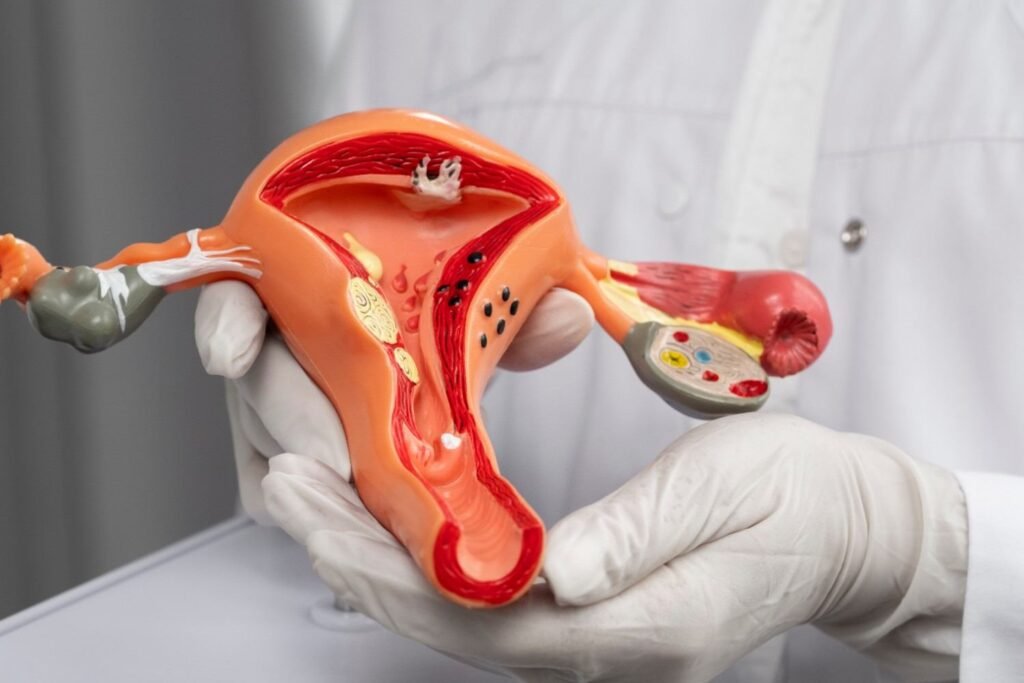
Heavy menstrual bleeding and severe period pain are common concerns for many women. However, when these symptoms become difficult to manage, uterine fibroids may be one possible reason. Women experiencing these problems can explore Uterine Fibroid Treatment in Sector 87 Gurugram to understand the cause and receive appropriate medical guidance. Dr. Smita Vats explains that although fibroids are usually non-cancerous, their size, number, and location can affect menstrual health and everyday comfort.
Some women have fibroids without experiencing any symptoms. Others may notice prolonged periods, painful cramps, pelvic pressure, or difficulty with daily activities. Recognizing these warning signs can help women seek timely medical attention.
For fast information, direct chat with us on WhatsApp
What Are Uterine Fibroids?
Uterine fibroids are non-cancerous growths that develop in or around the uterus. They are made up of muscle and connective tissue. Their size can range from very small growths to larger masses that affect the shape of the uterus.
Fibroids are commonly classified into three types:
- Intramural fibroids: Develop within the muscular wall of the uterus.
- Submucosal fibroids: Grow towards the inner lining of the uterus and may affect menstrual bleeding.
- Subserosal fibroids: Develop on the outer surface of the uterus and may cause pressure on nearby organs.
Dr. Smita Vats highlights that the location of a fibroid often plays an important role in determining the symptoms a woman experiences.
Can Uterine Fibroids Cause Heavy Menstrual Bleeding?
Yes, uterine fibroids can cause heavy or prolonged menstrual bleeding. This is particularly common with fibroids that develop close to the uterine lining.
These growths may increase the surface area of the uterine lining. They can also interfere with the uterus’s ability to contract effectively during menstruation. As a result, menstrual bleeding may become heavier or last longer than usual.
Women may experience:
- Heavy menstrual flow requiring frequent pad changes.
- Periods lasting longer than seven days.
- Passage of large blood clots.
- Bleeding between menstrual cycles.
- Weakness and fatigue due to blood loss.
Persistent heavy bleeding can also lead to iron-deficiency anaemia. Therefore, women experiencing these symptoms should consider medical evaluation. Seeking Uterine Fibroid Treatment in Sector 87 Gurugram can help identify the underlying cause and determine suitable treatment options.
Why Do Fibroids Cause Severe Period Pain?
Uterine fibroids can contribute to painful menstruation, although not every woman with fibroids experiences severe cramps.
During menstruation, the uterus contracts to shed its lining. Fibroids can interfere with these contractions and increase discomfort. Larger fibroids may also put pressure on surrounding pelvic structures.
Common symptoms include:
- Strong lower abdominal cramps during periods.
- Persistent pelvic discomfort.
- Lower back pain.
- A feeling of heaviness in the lower abdomen.
- Pain that interferes with daily activities.
Dr. Smita Vats advises women not to ignore period pain that becomes progressively worse or starts affecting their quality of life. A proper examination can help determine whether fibroids or another gynaecological condition is responsible.
Other Symptoms Associated With Uterine Fibroids
Apart from heavy bleeding and painful periods, fibroids can cause several other symptoms. These depend on their size and location.
Some women may experience:
Frequent urination: Larger fibroids can press against the bladder, creating a frequent urge to urinate.
Pelvic pressure: Fibroids may cause a feeling of fullness or heaviness in the lower abdomen.
Constipation: Pressure on the bowel can sometimes make bowel movements uncomfortable.
Pain during intercourse: Certain fibroids may contribute to pelvic discomfort during sexual activity.
Difficulty conceiving: Some fibroids, particularly those that affect the uterine cavity, may interfere with fertility.
However, these symptoms can also occur with other health conditions. Medical assessment is important before reaching a conclusion.
How Are Uterine Fibroids Diagnosed?
An accurate diagnosis helps determine the size, number, and location of fibroids. Dr. Smita Vats may recommend different investigations depending on the patient’s symptoms and medical history.
Common diagnostic methods include:
- Pelvic examination: Helps assess the uterus and identify possible abnormalities.
- Ultrasound: Provides images of the uterus and helps detect fibroids.
- Transvaginal ultrasound: Offers a closer view of the uterus and its lining.
- MRI scan: May be recommended when more detailed information about fibroids is needed.
- Blood tests: Help check for anaemia caused by prolonged or heavy menstrual bleeding.
These investigations help guide decisions about further care and treatment.
Uterine Fibroid Treatment in Sector 87 Gurugram: Available Options
Treatment depends on the patient’s symptoms, age, fibroid size, location, and future pregnancy plans. Not every fibroid requires immediate treatment.
Common treatment approaches include:
- Medication: Certain medicines can help control heavy menstrual bleeding and manage pain. Some hormonal treatments may also reduce fibroid-related symptoms.
- Hormonal treatment: Selected hormonal options can help regulate menstrual bleeding. The choice depends on individual health needs.
- Minimally invasive procedures: Procedures such as uterine artery embolisation may be considered for suitable patients to reduce blood supply to fibroids.
- Myomectomy: This surgery removes fibroids while preserving the uterus. It may be considered for women who wish to maintain the possibility of future pregnancy.
- Hysterectomy: Removal of the uterus may be considered in selected cases when symptoms are severe and other treatments are unsuitable or unsuccessful. This permanently ends the possibility of carrying a pregnancy.
Women considering Uterine Fibroid Treatment in Sector 87 Gurugram should discuss the benefits, limitations, and risks of each option with their gynaecologist. Dr. Smita Vats emphasizes that treatment should always be based on individual needs.
Visit: https://share.google/VgvmyhqPNDtvrdR3l
When Should You Consult a Gynaecologist?
Occasional menstrual discomfort may be common. However, certain symptoms should not be ignored.
Consider consulting a gynaecologist if you experience:
- Very heavy or prolonged menstrual bleeding.
- Severe cramps that affect everyday activities.
- Persistent pelvic pain or pressure.
- Unusual bleeding between periods.
- Symptoms of anaemia, such as weakness or dizziness.
Seek urgent medical attention if bleeding is extremely heavy, or if you experience fainting, severe weakness, or sudden intense pelvic pain.
Conclusion
Uterine fibroids can cause heavy menstrual bleeding, severe period pain, and pelvic discomfort. However, the symptoms vary depending on their size, number, and location. Early diagnosis can help identify the problem and prevent complications associated with prolonged blood loss.
Exploring Uterine Fibroid Treatment in Sector 87 Gurugram can help women understand their condition and choose appropriate care. Dr. Smita Vats encourages women to take unusual menstrual changes seriously rather than considering them a normal part of their periods. With proper evaluation and individualized treatment, many women can manage fibroid-related symptoms and improve their quality of life.
Frequently Asked Questions
Can uterine fibroids cause heavy periods?
Yes. Fibroids, especially those near the uterine lining, can cause heavy and prolonged menstrual bleeding.
Do fibroids cause severe period cramps?
Yes. Some fibroids can increase uterine discomfort and cause painful menstrual cramps.
Can uterine fibroids affect fertility?
Yes. Certain fibroids can affect the uterine cavity and may interfere with conception or pregnancy.
Do all uterine fibroids require surgery?
No. Many fibroids can be monitored or managed with medication. Surgery depends on symptoms and individual needs.
For expert and compassionate pregnancy care, visit https://drsmitavatsgynae.com/ and consult a trusted Gynaecologist in Sector 82, Gurugram.