
Author: Dr. Smita Vats
Ovarian cysts are common in women of reproductive age; however, their occurrence after menopause can be more concerning. Postmenopausal Ovarian Cyst Treatment in Sector 82, Gurugram requires careful attention because the risk of malignancy increases significantly during this phase. Therefore, timely diagnosis, expert evaluation, and appropriate treatment become crucial for ensuring better outcomes.
Book your gynecology consultation instantly—connect with us on WhatsApp for expert care and quick assistance.
Understanding Postmenopausal Ovarian Cysts
After menopause, the ovaries become less active, and cyst formation is less frequent. However, when cysts do develop, they must be evaluated thoroughly. In many cases, these cysts may appear harmless, but they can sometimes indicate underlying complications, including ovarian cancer.
Because of this risk, Postmenopausal Ovarian Cyst Treatment in Sector 82, Gurugram focuses on early detection and personalized care plans tailored to each patient.
Why Ovarian Cysts After Menopause Need Special Attention
Unlike cysts in younger women, postmenopausal ovarian cysts carry a higher probability of being malignant. Moreover, symptoms are often subtle, which makes early detection challenging.
Common Concerns Include:
- Increased risk of ovarian cancer
- Silent progression without clear symptoms
- Delayed diagnosis due to lack of awareness
Therefore, regular monitoring and prompt medical consultation are essential.
Symptoms You Should Not Ignore
Although some ovarian cysts remain asymptomatic, others may present noticeable signs. Recognizing these early can make a significant difference.
- Persistent abdominal pain
- Bloating or swelling
- Changes in bowel habits
- Feeling of heaviness in the lower abdomen
If any of these symptoms are experienced, seeking Postmenopausal Ovarian Cyst Treatment in Sector 82, Gurugram should be a priority.
Case Insight: Managing a Large Ovarian Cyst
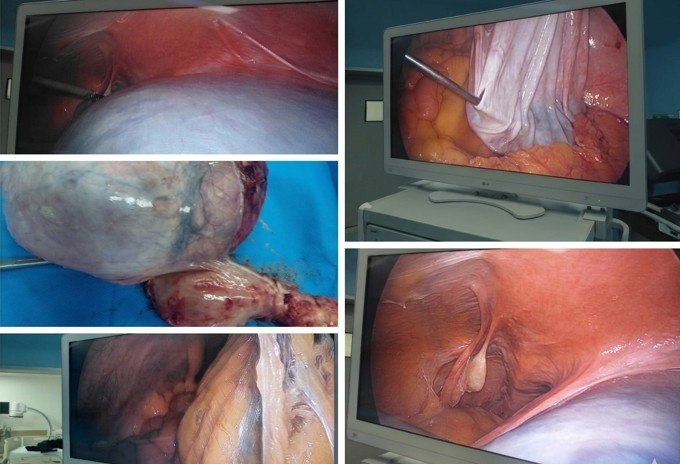
Recently, a complex case involved a postmenopausal woman who presented with abdominal pain and a history of multiple surgeries. Upon evaluation, a large ovarian cyst measuring approximately 16–18 cm was identified.
Given the size and associated risks, laparoscopic surgery was performed to remove:
- The ovarian cyst
- The uterus
- Both ovaries
This comprehensive approach ensured the complete removal of the affected tissues while minimizing complications. Such cases highlight the importance of timely intervention under expert guidance.
Role of Surgery in Treatment
In many postmenopausal cases, surgery becomes the most effective treatment option, especially when:
- The cyst is large
- There is suspicion of malignancy
- Symptoms are severe
Why Laparoscopic Surgery?
- Minimally invasive technique
- Faster recovery time
- Reduced risk of complications
Thus, Postmenopausal Ovarian Cyst Treatment in Sector 82, Gurugram often involves advanced surgical methods to ensure safe and effective outcomes.
Importance of Histopathological Examination
After surgical removal, the cyst is sent for histopathological examination. This step is critical because it helps determine whether the cyst is benign or malignant.
Early identification of cancerous changes allows for:
- Targeted treatment planning
- Improved survival rates
- Better long-term prognosis
Without this step, potential risks may go unnoticed.
Why Early Treatment is Life-Saving
Ovarian cancer is known for its rapid progression and poor prognosis if left untreated. However, early diagnosis and timely intervention can significantly improve outcomes.
By opting for Postmenopausal Ovarian Cyst Treatment in Sector 82, Gurugram, patients can:
- Reduce the risk of complications
- Ensure early cancer detection
- Receive personalized care
Therefore, delaying treatment is never advisable.
Comprehensive Care Approach
Effective management of postmenopausal ovarian cysts involves more than just surgery. A holistic approach includes:
- Detailed clinical evaluation
- Imaging and diagnostic tests
- Personalized treatment planning
- Post-surgical follow-up care
This ensures that every aspect of the patient’s health is addressed.
When to Consult a Specialist
It is advisable to consult a gynecologist if:
- You are postmenopausal and diagnosed with an ovarian cyst
- You experience persistent abdominal discomfort
- Imaging reports show a large or complex cyst
Expert consultation ensures accurate diagnosis and timely management.
Expert Care in Gurugram
For complete evaluation, guidance, and advanced treatment of ovarian cysts, patients can consult Dr. Smita Vats at Matrika Gynae Clinic, Gurugram. With a patient-focused approach and expertise in minimally invasive procedures, the clinic provides comprehensive care tailored to individual needs.
Conclusion
In conclusion, ovarian cysts after menopause should never be ignored. Due to the increased risk of malignancy, timely diagnosis and appropriate treatment are essential. Postmenopausal Ovarian Cyst Treatment in Sector 82, Gurugram emphasizes early intervention, advanced surgical care, and thorough evaluation to ensure the best possible outcomes.
If you or a loved one is experiencing symptoms or has been diagnosed with an ovarian cyst after menopause, seeking expert medical advice promptly can be life-saving.
For expert and compassionate pregnancy care, visit https://drsmitavatsgynae.com/ and consult a trusted Gynaecologist in Sector 4, Manesar.