
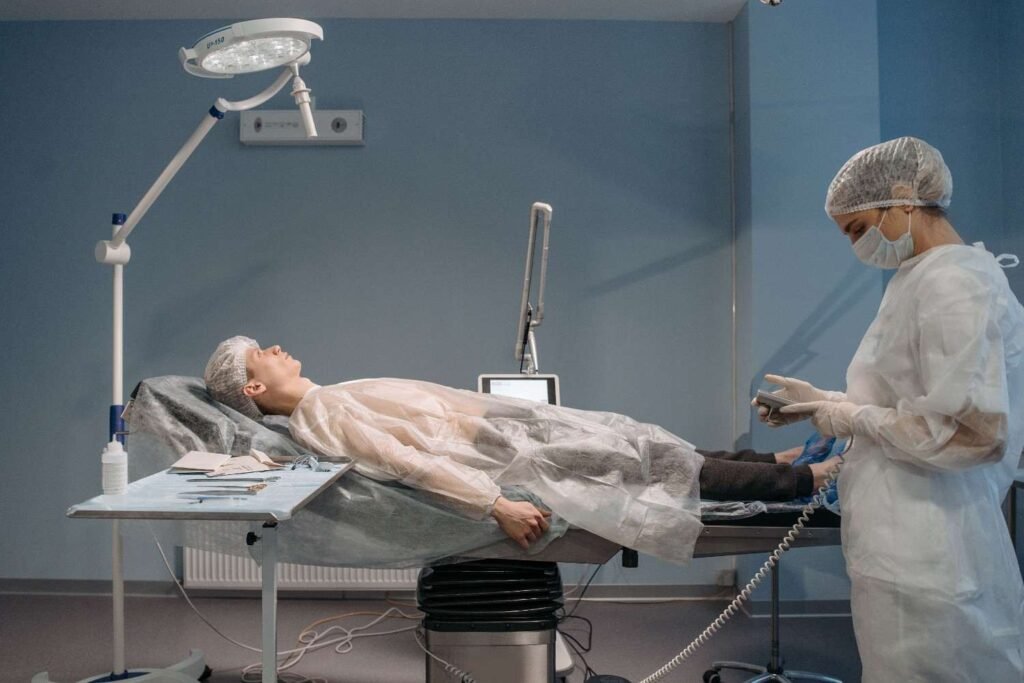
Irregular periods can make it difficult to predict your menstrual cycle and understand changes in your reproductive health. While stress, hormonal fluctuations, and certain medical conditions can affect menstruation, problems inside the uterus may also contribute. Hysteroscopic Procedures in Sector 83 Gurugram can help eligible patients investigate possible uterine causes and receive a more accurate diagnosis. Dr. Smita Vats believes that understanding the reason behind abnormal bleeding is an important step towards choosing appropriate care.
Not every woman with irregular periods needs hysteroscopy. The first step is to understand the pattern of bleeding, review medical history, and identify whether further investigations are necessary.
For fast information, direct chat with us on WhatsApp
What Can Cause Irregular Menstrual Cycles?
A menstrual cycle may become irregular for several reasons. Some causes are temporary, while others require medical attention.
Common factors include:
- Hormonal changes associated with puberty or perimenopause
- Polycystic ovary syndrome (PCOS)
- Thyroid disorders
- Significant weight changes or excessive exercise
- Stress and certain medications
- Uterine polyps or fibroids
- Pregnancy-related changes
Dr. Smita Vats explains that the appropriate investigation depends on a woman’s symptoms, age, medical history, and examination findings. Hysteroscopy is particularly useful when a doctor suspects a problem inside the uterine cavity.
How Does Hysteroscopy Help Find the Cause?
Hysteroscopy is a procedure that allows a specialist to examine the inside of the uterus using a thin instrument with a light and camera. The instrument is gently passed through the vagina and cervix, so an abdominal incision is generally not required.
During the examination, the doctor can look for abnormalities that may contribute to unusual bleeding. These may include uterine polyps, certain fibroids, scar tissue, or other changes in the uterine lining.
For women considering Hysteroscopic Procedures in Sector 83 Gurugram, this direct view of the uterine cavity may provide information that cannot be obtained from symptoms alone. Depending on the findings, the doctor may recommend additional tests or treatment.
Which Uterine Problems Can Hysteroscopy Detect?
Hysteroscopy can help identify several conditions that may affect menstrual bleeding.
Uterine polyps
Polyps are small growths that develop in the lining of the uterus. They may cause bleeding between periods, unusually heavy menstruation, or bleeding after menopause.
Submucosal fibroids
Some fibroids grow towards the uterine cavity and can affect menstrual flow. If a suitable fibroid is identified, the specialist may discuss whether hysteroscopic removal is appropriate.
Scar tissue inside the uterus
Adhesions are bands of scar tissue that can develop inside the uterine cavity. In some cases, they may lead to lighter periods or other menstrual changes.
Abnormalities of the uterine lining
An examination may reveal changes that require further assessment. If necessary, the doctor may recommend taking a tissue sample for laboratory testing.
Dr. Smita Vats notes that hysteroscopy examines the uterine cavity, but it does not diagnose every cause of irregular periods. Hormonal conditions and problems involving the ovaries may need separate investigations.
https://share.google/VgvmyhqPNDtvrdR3l
When Should You Consider Hysteroscopy?
Hysteroscopy may be considered when abnormal bleeding continues, initial investigations suggest a problem inside the uterus, or an ultrasound shows a possible polyp or fibroid.
A specialist may also recommend it for unexplained bleeding between periods, persistent heavy menstrual bleeding, or selected cases of bleeding after menopause.
Before recommending Hysteroscopic Procedures in Sector 83 Gurugram, the doctor may review your cycle history, perform a physical examination, and arrange blood tests or pelvic imaging where appropriate. A pregnancy test may also be needed before the procedure.
Seek medical advice if your periods become persistently irregular, unusually heavy, or significantly different from your normal pattern. If you experience very heavy bleeding with dizziness, fainting, or severe weakness, seek urgent medical care.
What Happens During the Procedure?
The exact process depends on whether hysteroscopy is being performed for diagnosis or treatment. The doctor first explains the procedure, possible discomfort, and available pain-relief options.
A narrow hysteroscope is passed through the cervix to examine the uterine cavity. Some diagnostic procedures can be completed in an outpatient setting, while operative hysteroscopy may require additional preparation or anaesthesia.
If a polyp, selected fibroid, or adhesion is found, treatment may sometimes be performed during the same procedure. However, this depends on the findings, the patient’s circumstances, and the facilities available.
Dr. Smita Vats recommends discussing preparation, recovery time, and potential risks beforehand so patients know what to expect.
What Are the Benefits and Limitations of Hysteroscopy?
One major benefit is that hysteroscopy allows the doctor to examine the uterine cavity directly. It can help identify certain structural problems and, in selected cases, treat them without major surgery.
However, hysteroscopy is not necessary for every menstrual problem. It may cause cramping or light bleeding afterwards, and less common complications include infection, bleeding, or injury to the uterus. Some patients may need further testing or treatment after the results are reviewed.
Choosing Hysteroscopic Procedures in Sector 83 Gurugram should therefore involve an individual assessment rather than relying on the procedure as a routine solution for every irregular cycle.
Conclusion
Irregular periods can result from hormonal changes, lifestyle factors, or conditions affecting the uterus. Hysteroscopy may help identify uterine polyps, certain fibroids, adhesions, and other abnormalities when symptoms or earlier investigations suggest a problem inside the uterine cavity.
Dr. Smita Vats emphasizes that the best treatment begins with identifying the likely cause. If you are exploring Hysteroscopic Procedures in Sector 83 Gurugram, consult a qualified gynaecologist to understand whether hysteroscopy or another investigation is appropriate for your symptoms.
Frequently Asked Questions
Can hysteroscopy identify the cause of every irregular period?
No. It can identify abnormalities inside the uterus, but hormonal conditions, thyroid disorders, and ovarian problems may require blood tests or other investigations.
Is hysteroscopy always necessary for irregular periods?
No. The need for hysteroscopy depends on your symptoms, medical history, examination, and previous test results.
Can hysteroscopy treat uterine polyps?
Yes. In suitable cases, a doctor can remove uterine polyps during operative hysteroscopy.
Is hysteroscopy painful?
Some patients experience cramping or discomfort. The level of discomfort varies, and pain-relief options depend on the type of procedure and individual needs.
For expert and compassionate pregnancy care, visit https://drsmitavatsgynae.com/ and consult a trusted Gynaecologist in Sector 82, Gurugram.