
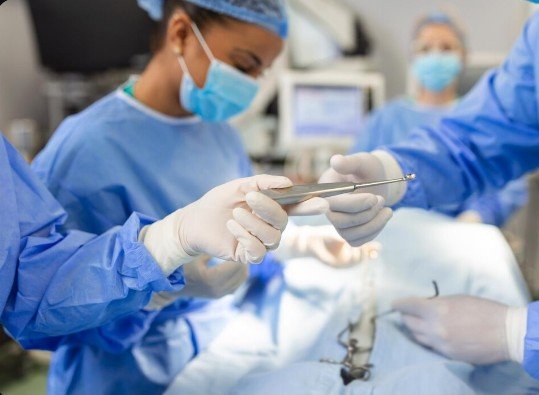
Many women worry about whether gynecological surgery can affect their ability to conceive or have a healthy pregnancy in the future. These concerns are natural, especially when surgery involves the uterus, ovaries, or fallopian tubes. However, the impact depends on the type of procedure, the underlying condition, and a woman’s reproductive health. With proper medical guidance, many women can conceive successfully after surgery.
Choosing the right specialist for Gynecological Surgery in Gurugram can help women understand their treatment options and protect their reproductive health. Dr. Smita Vats believes that every woman’s treatment plan should consider both her present health and future pregnancy goals.
For fast information, direct chat with us on WhatsApp
How Can Gynecological Surgery Affect Fertility?
Gynecological surgery does not always reduce fertility. In many cases, it can actually improve the chances of conception by treating conditions that interfere with reproductive health.
For example, removing uterine fibroids may improve the uterine environment. Similarly, treating endometriosis can sometimes help women who are experiencing difficulty conceiving.
However, certain procedures may affect fertility depending on the amount of tissue involved and the organs treated. Dr. Smita Vats recommends discussing pregnancy plans before undergoing any major gynecological procedure.
Common Gynecological Surgeries and Their Effects on Pregnancy
Different surgeries can have different effects on reproductive health. Understanding these procedures can help women make informed decisions.
Uterine Fibroid Removal (Myomectomy)
Fibroids are non-cancerous growths that develop in or around the uterus. Depending on their size and location, they may cause heavy bleeding, pelvic discomfort, or fertility problems.
Myomectomy removes fibroids while preserving the uterus. In some women, this procedure can improve the chances of pregnancy. However, recovery time and the condition of the uterine wall should be considered before trying to conceive.
Endometriosis Surgery
Endometriosis occurs when tissue similar to the uterine lining grows outside the uterus. It can cause pelvic pain, painful periods, and fertility difficulties.
Surgery may remove endometriosis tissue and improve symptoms. In selected cases, it may also support natural conception. However, surgery involving the ovaries can sometimes affect ovarian reserve.
Ovarian Cyst Removal
Ovarian cysts are fluid-filled sacs that develop on or inside the ovaries. Some cysts disappear naturally, while others require medical treatment or surgery.
When surgery is necessary, specialists aim to preserve as much healthy ovarian tissue as possible. This is important because the ovaries play a major role in egg production and hormonal balance.
Hysteroscopic Surgery
Hysteroscopy allows doctors to examine and treat problems inside the uterus. It may be used to remove certain polyps, fibroids, or scar tissue.
Treating these conditions can improve the uterine environment and may support a healthier pregnancy in suitable cases.
Can You Get Pregnant After Gynecological Surgery?
Yes, many women can become pregnant after gynecological surgery. However, the possibility depends on several factors, including age, ovarian reserve, the type of surgery, and overall reproductive health.
Dr. Smita Vats advises women not to rush into pregnancy immediately after a procedure. The body needs enough time to heal, especially after surgery involving the uterus.
Women considering Gynecological Surgery in Gurugram should discuss their pregnancy plans with their doctor before treatment. This helps ensure that the surgical approach considers their long-term reproductive goals.
Factors That May Influence Fertility After Surgery
Several factors determine how easily a woman may conceive after gynecological surgery.
- Age: Fertility naturally changes with age, particularly after 35.
- Ovarian reserve: The number and quality of remaining eggs can influence conception.
- Type of surgery: Procedures involving the uterus, ovaries, or fallopian tubes may have different reproductive effects.
- Healing and recovery: Proper healing is important before planning pregnancy.
- Existing conditions: PCOS, endometriosis, and other reproductive health concerns may also affect fertility.
Dr. Smita Vats recommends a detailed fertility assessment to understand these factors before and after surgery.
How to Prepare for Pregnancy After Gynecological Surgery
Planning pregnancy after surgery requires patience and proper medical supervision. Every woman’s recovery journey is different.
Here are some important steps to follow:
- Attend all scheduled post-surgery check-ups.
- Follow your doctor’s advice about when to start trying for pregnancy.
- Maintain a balanced diet and healthy lifestyle.
- Take prescribed supplements when recommended.
- Discuss any menstrual changes or unusual symptoms with your doctor.
- Consider fertility testing if conception is taking longer than expected.
Women seeking Gynecological Surgery in Gurugram should choose an experienced specialist who understands their reproductive goals. Dr. Smita Vats focuses on individualized treatment and fertility preservation whenever medically possible.
Visit: https://share.google/VgvmyhqPNDtvrdR3l
Can Every Gynecological Surgery Preserve Fertility?
No. Some procedures are performed specifically to preserve fertility, while others may permanently affect the ability to carry a pregnancy.
For example, a hysterectomy involves removing the uterus. After this procedure, a woman cannot carry a pregnancy. Therefore, doctors carefully discuss fertility goals and alternative treatments before recommending it.
Dr. Smita Vats believes that women should understand the benefits, limitations, and possible long-term effects of surgery before making a decision.
Frequently Asked Questions
Can I get pregnant after fibroid surgery?
Yes. Many women conceive after myomectomy. The timing depends on recovery and individual medical factors.
Does laparoscopic surgery affect fertility?
Not necessarily. Some laparoscopic procedures may help improve fertility by treating underlying conditions.
How long should I wait before trying to conceive after surgery?
It depends on the procedure and healing process. Follow your doctor’s individual recommendation.
Can ovarian cyst removal reduce fertility?
It can sometimes affect ovarian reserve, but surgeons aim to preserve healthy ovarian tissue whenever possible.
Conclusion
Gynecological surgery does not automatically mean that a woman will face fertility problems in the future. In many cases, surgery can improve reproductive health by treating fibroids, cysts, endometriosis, and other conditions. However, the outcome depends on the procedure, existing health conditions, and individual recovery.
If you are considering Gynecological Surgery in Gurugram and wish to become pregnant in the future, discuss your plans with your gynecologist before treatment. Under the guidance of Dr. Smita Vats, women can explore suitable surgical options, understand potential risks, and make informed decisions about their reproductive health. The right treatment plan can help protect overall well-being while considering future family-planning goals.
For expert and compassionate pregnancy care, visit https://drsmitavatsgynae.com/ and consult a trusted Gynaecologist in Sector 82, Gurugram.