
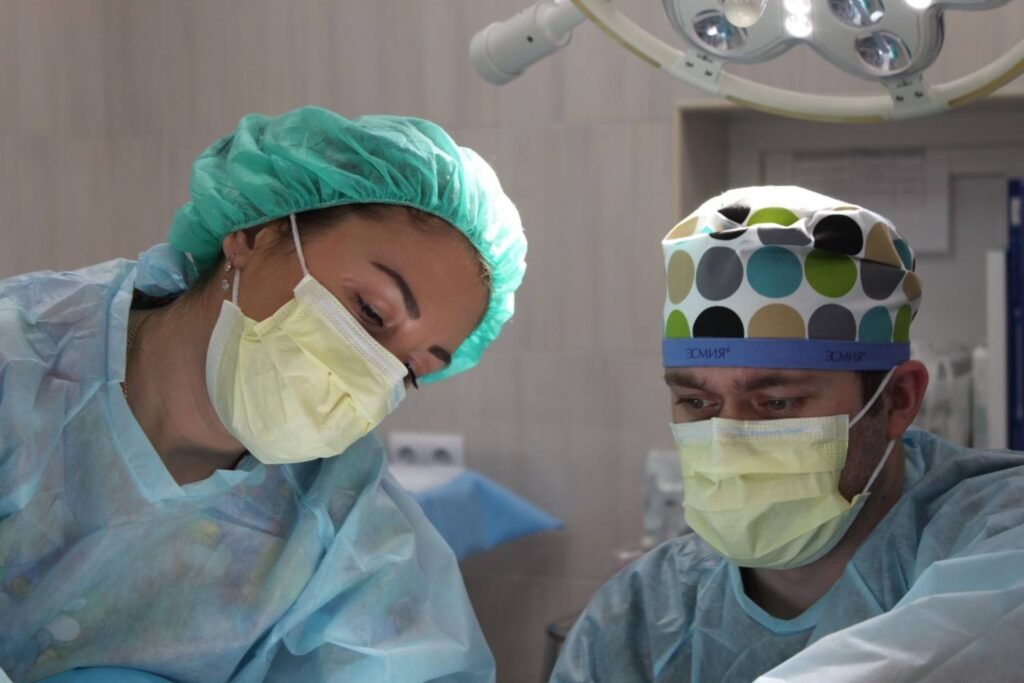
Women may experience gynaecological problems at different stages of life. Some can be managed with medicines, observation, or other non-surgical treatments. In certain situations, however, a surgical procedure may become part of the treatment plan.
If you are searching for Gynaecological Surgery in Gurugram, it is important to understand that there is no single procedure suitable for every patient. The choice depends on the condition being treated, symptoms, previous treatment, future pregnancy plans, and the findings of the medical evaluation.
Dr. Smita Vats discusses these factors with patients before deciding whether a surgical approach is appropriate.
For fast information, direct chat with us on WhatsApp
When Might Gynaecological Surgery Be Considered?
Surgery is usually not the first option for every gynaecological problem. A doctor may consider it when symptoms are persistent, a condition requires removal or repair, or other treatment approaches are not suitable.
Problems involving the uterus, ovaries, fallopian tubes, or surrounding reproductive organs can sometimes require surgical management.
The important point is that treatment should be individualised. Two women with the same diagnosis may receive different recommendations because their symptoms, medical history, and reproductive goals can be different.
Common Gynaecological Surgeries
Laparoscopic Gynaecological Surgery
Laparoscopy is a minimally invasive surgical technique that uses small openings rather than one larger abdominal incision. A camera allows the surgeon to see the relevant area while specialised instruments are used to perform the required procedure.
Depending on the diagnosis, laparoscopic surgery may be used in the management of conditions affecting the uterus, ovaries, fallopian tubes, or pelvic region.
For suitable patients, this approach can be an alternative to conventional open surgery. Whether it is appropriate depends on the particular condition and the findings during evaluation.
Hysterectomy
A hysterectomy involves surgically removing the uterus. It may be discussed for certain conditions affecting the uterus when other treatment options are not appropriate or when a definitive surgical solution is required.
The type of hysterectomy can vary according to the patient’s condition. The decision also needs to take reproductive plans into account because pregnancy is not possible after removal of the uterus.
Dr. Smita Vats can explain why a hysterectomy may be recommended, what the procedure involves, and what alternatives may be available in an individual case.
Myomectomy for Uterine Fibroids
Uterine fibroids can develop in different areas of the uterus and may remain unnoticed in some women. In others, they can be associated with heavy menstrual bleeding, pelvic discomfort, pressure, or reproductive concerns.
When treatment is required, surgery is not automatically the answer. However, a myomectomy may be considered in selected cases. This procedure removes fibroids while preserving the uterus.
The approach used for fibroid surgery depends on factors such as the number and position of fibroids and the patient’s individual circumstances.
Ovarian Cyst Surgery
An ovarian cyst does not necessarily mean that surgery is required. Some cysts can be observed over time, particularly when there are no concerning symptoms or findings.
Surgical treatment may be discussed when a cyst continues to cause problems or when its size, appearance, persistence, or other clinical features require further management.
The procedure may involve removing the cyst while preserving the ovary whenever appropriate. The exact approach is decided after reviewing the patient’s condition rather than simply treating every cyst in the same way.
Surgical Treatment for Endometriosis
Endometriosis can affect everyday life through symptoms such as pelvic discomfort, painful periods, or pain associated with other activities. The condition can also have implications for fertility in some women.
Treatment varies considerably from patient to patient. In selected cases, surgery may be used to examine and treat endometriosis-related tissue.
Dr. Smita Vats can assess the symptoms and available treatment choices before discussing whether surgery should form part of the management plan.
Surgery for Other Uterine or Pelvic Conditions
Gynaecological surgery is not limited to the conditions mentioned above. Depending on the diagnosis, a woman may require another type of procedure involving the uterus, cervix, ovaries, fallopian tubes, or pelvic area.
The recommended procedure should always relate to the actual medical problem. This is why an individual consultation is important before making a decision about surgery.
https://share.google/VgvmyhqPNDtvrdR3l
How Does a Doctor Decide Which Surgery Is Appropriate?
Choosing a surgical procedure involves more than identifying a diagnosis. Dr. Smita Vats may consider several aspects of a patient’s situation, including:
- The symptoms and how long they have been present
- Findings from examinations and investigations
- The location and nature of the condition
- Previous treatments
- General medical history
- Future pregnancy plans
- Whether a minimally invasive approach is suitable
- The expected recovery associated with the procedure
A patient should also have an opportunity to ask questions before treatment. Understanding the purpose of surgery can make the consultation more productive and help the patient discuss available options clearly.
What Should You Ask Before Gynaecological Surgery?
Before agreeing to a procedure, patients can ask their gynaecologist:
- Why is surgery being considered?
- Are there non-surgical options?
- Which surgical approach is being recommended?
- What should I expect during recovery?
- Will the procedure affect future pregnancy plans?
- What follow-up will be required?
These questions can help create a clearer understanding of the proposed treatment.
Frequently Asked Questions
Does every gynaecological condition require surgery?
No. Many gynaecological conditions can be managed without an operation. Surgery is considered when it is medically appropriate for the individual situation.
Is laparoscopic surgery used for all gynaecological procedures?
No. Laparoscopy is suitable for certain procedures and patients. The doctor decides whether this approach is appropriate based on the condition and other clinical factors.
Does having a fibroid always mean that I need surgery?
Not necessarily. Fibroids may sometimes be monitored or managed through other treatments. Surgery may be considered when the symptoms, size, location, or other factors make it appropriate.
Can ovarian cysts be treated without an operation?
Yes, depending on the type of cyst and the patient’s symptoms and clinical findings. Some cysts can be monitored, while others may require surgical evaluation or treatment.
How can I know whether I need Gynaecological Surgery in Gurugram?
The best way is to have your symptoms and medical reports assessed by a gynaecologist. Dr. Smita Vats can discuss the diagnosis, available treatment approaches, and whether surgery is appropriate for your situation.
Conclusion
Gynaecological surgery includes several different procedures, and the right choice depends on the condition being treated and the individual patient’s needs. Laparoscopic procedures, hysterectomy, myomectomy, ovarian cyst surgery, and surgical treatment for endometriosis are examples of procedures that may be considered in appropriate cases.
If you are exploring Gynaecological Surgery in Gurugram, avoid choosing a procedure based only on general information found online. A proper consultation can help you understand why surgery may be suggested, what alternatives exist, and which approach may be appropriate for your circumstances.
Dr. Smita Vats can help patients understand their gynaecological condition and discuss the treatment options relevant to their individual needs.
For expert and compassionate pregnancy care, visit https://drsmitavatsgynae.com/ and consult a trusted Gynaecologist in Sector 82, Gurugram.