
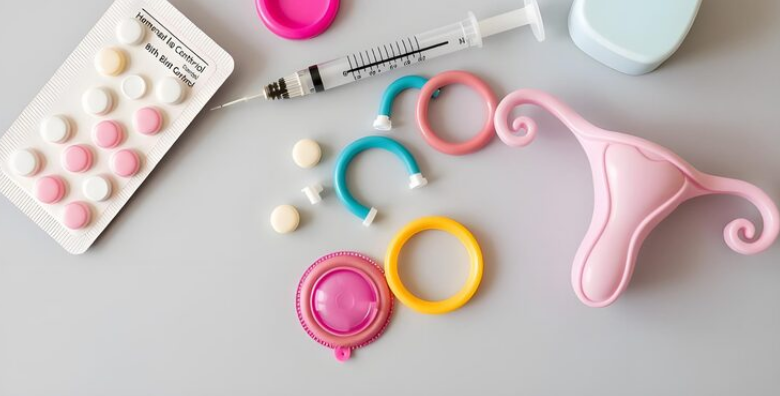
Contraception is an important part of reproductive health and family planning. If you are considering a Contraception Clinic in Sector 82 Gurugram, you may wonder whether contraception can affect your periods, fertility, or hormones. The answer depends on the type of contraception you use. Some methods can change menstrual bleeding, while others have little or no effect on your natural hormonal cycle.
For fast information, direct chat with us on WhatsApp
Dr. Smita Vats helps women understand their contraceptive options based on their health, lifestyle, menstrual pattern, and future pregnancy plans. Knowing what to expect can make your decision easier and more comfortable.
How Can Contraception Affect Your Periods?
Changes in periods are common with several contraceptive methods, particularly hormonal options. Birth control pills, hormonal intrauterine devices (IUDs), implants, and injections can influence the menstrual cycle.
Depending on the method, you may notice:
- Lighter or shorter periods
- Irregular bleeding
- Spotting between periods
- Changes in the timing of your period
- Less menstrual pain
- Temporary absence of periods
These changes occur because hormonal contraception can prevent ovulation or alter the uterine lining. For many women, these effects are not harmful and may improve after the body adjusts to the method.
A consultation at a Contraception Clinic in Sector 82 Gurugram can help you understand whether your menstrual changes are expected or require further evaluation.
Can Contraception Cause Infertility?
Fertility is one of the biggest concerns for women considering contraception. Most reversible contraceptive methods do not cause permanent infertility. After stopping contraception, fertility generally returns, although the time required can vary depending on the method.
For example, fertility may return relatively quickly after stopping birth control pills or removing an IUD or implant. Injectable contraception may take longer before regular ovulation returns.
It is also important to remember that fertility depends on many factors. Age, ovarian function, menstrual health, medical conditions, lifestyle, and other reproductive factors can influence the ability to conceive.
Dr. Smita Vats can explain how different contraceptive methods may fit into your future pregnancy plans. This can be especially helpful if you want to delay pregnancy now but plan to have children later.
Do Contraceptives Affect Your Hormones?
Hormonal contraceptives contain synthetic hormones that influence the reproductive system. Depending on the method, they may contain estrogen, progestin, or a combination of both.
These hormones can temporarily change the body’s usual hormonal pattern. However, this does not generally mean that your natural hormones are permanently damaged.
Some women may experience temporary effects such as:
- Breast tenderness
- Mild headaches
- Mood changes
- Nausea
- Changes in acne
- Altered menstrual bleeding
Not everyone experiences these effects. Your response may depend on your individual health and the type of contraception used.
At a Contraception Clinic in Sector 82 Gurugram, a doctor can review your medical history and help determine which method may be suitable for you.
Can Non-Hormonal Contraception Affect Periods?
Not every contraceptive method affects hormones. Condoms, copper IUDs, and some barrier methods work without introducing reproductive hormones into the body.
However, non-hormonal contraception can still affect menstrual bleeding in some cases. A copper IUD, for example, may cause heavier or longer periods, especially during the first few months after insertion. Some women may also experience increased menstrual cramps.
Women who already have heavy or painful periods may need to discuss these concerns before choosing a copper IUD.
Dr. Smita Vats can explain the advantages and possible limitations of both hormonal and non-hormonal contraception so you can make an informed choice.
When Should You See a Doctor?
Some menstrual changes are expected after starting contraception. However, unusual or severe symptoms should not be ignored.
You should consider medical advice if you experience:
- Very heavy menstrual bleeding
- Severe or persistent pelvic pain
- Prolonged bleeding
- Frequent bleeding between periods
- Unexpected missed periods when pregnancy is possible
- Concerning symptoms after starting a contraceptive method
A consultation at a Contraception Clinic in Sector 82 Gurugram can help determine whether your symptoms are related to contraception or another underlying gynecological issue.
How to Choose the Right Contraceptive Method
There is no single contraceptive method that works best for every woman. Your choice should consider your health, age, menstrual cycle, lifestyle, pregnancy plans, and personal preferences.
Some women prefer daily pills, while others choose long-acting methods such as IUDs or implants. Women who do not want hormonal contraception may prefer non-hormonal options.
Dr. Smita Vats recommends considering both your current needs and long-term reproductive goals when choosing contraception. Discussing your concerns with a gynecologist can help you understand the benefits, limitations, and possible side effects of each option.
Contraception and Future Pregnancy
Using contraception allows women to plan pregnancy according to their personal circumstances. It does not usually mean that you will have difficulty becoming pregnant in the future.
After stopping contraception, your body may need some time to return to its previous menstrual pattern. The timing varies between individuals and depends on the contraceptive method.
If your periods remain irregular or you have difficulty conceiving after stopping contraception, a gynecological evaluation may help identify other possible factors.
Dr. Smita Vats can provide personalized guidance if you are transitioning from contraception to pregnancy planning.
Why Choose a Contraception Clinic in Sector 82 Gurugram?
Choosing professional contraceptive counseling can help you understand your options instead of relying on assumptions or information from unreliable sources. A Contraception Clinic in Sector 82 Gurugram can provide personalized guidance about menstrual changes, fertility, hormonal effects, and pregnancy planning.
Dr. Smita Vats focuses on individualized reproductive healthcare and helps women understand contraception according to their health needs and personal goals.
Whether you are choosing contraception for the first time or considering a change in your current method, a professional consultation can help you make an informed decision.
Conclusion
Contraception can affect periods and hormonal patterns, depending on the method used. Some women may experience lighter periods, spotting, irregular bleeding, or temporary changes in their menstrual cycle. Most reversible contraceptive methods do not cause permanent infertility, and fertility generally returns after stopping them.
If you are concerned about your periods, fertility, or hormones, it is best to discuss your concerns with a qualified gynecologist. A Contraception Clinic in Sector 82 Gurugram can help you understand your options and choose a method that fits your health and reproductive goals.
For expert and compassionate pregnancy care, visit https://drsmitavatsgynae.com/ and consult a trusted Gynaecologist in Sector 82, Gurugram.