
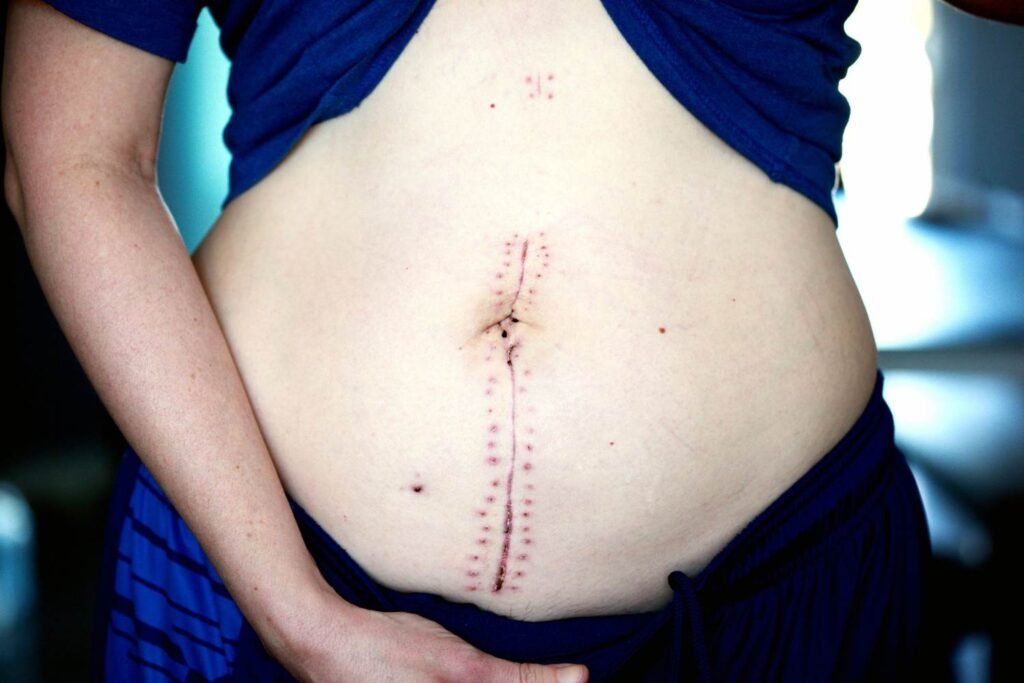
Women’s reproductive health can change at different stages of life. Some women experience heavy menstrual bleeding, severe pelvic pain, uterine fibroids, or other gynaecological conditions that affect their daily activities. In certain situations, doctors may recommend Hysterectomy Surgery in Sector 82A Gurugram to provide long-term relief and improve quality of life. A hysterectomy is a surgical procedure to remove the uterus. Dr. Smita Vats helps women understand their treatment options and make informed decisions about their reproductive health.
For fast information, direct chat with us on WhatsApp
What Is Hysterectomy Surgery?
Hysterectomy is a gynaecological operation in which the uterus is surgically removed. After this procedure, a woman will no longer have menstrual periods and cannot become pregnant.
The surgery may involve removing only the uterus or additional reproductive organs, depending on the medical condition. The recommended approach depends on the patient’s age, symptoms, overall health, and future reproductive plans.
Dr. Smita Vats believes that every woman should receive clear guidance before undergoing any major gynaecological procedure.
When Do Women Need Hysterectomy Surgery?
A hysterectomy is generally considered when other treatments have not provided sufficient relief or when a medical condition requires surgical management.
Some common reasons include:
- Uterine Fibroids: Fibroids are non-cancerous growths in the uterus. They may cause heavy periods, pelvic pressure, frequent urination, and abdominal discomfort. Large or symptomatic fibroids may sometimes require hysterectomy.
- Heavy Menstrual Bleeding: Some women experience excessive or prolonged menstrual bleeding. When medication and other treatments fail to control the problem, surgery may be considered.
- Endometriosis: This condition occurs when tissue similar to the uterine lining grows outside the uterus. It can cause severe pelvic pain and painful periods. Hysterectomy may be an option in selected cases when other treatments have not worked.
- Uterine Prolapse: Uterine prolapse happens when the uterus moves down into the vaginal canal because the supporting muscles and tissues become weak. Severe cases may require surgical treatment.
- Gynaecological Cancer: Certain cancers affecting the uterus or cervix may require hysterectomy as part of cancer treatment. The decision depends on the cancer type and stage.
Different Types of Hysterectomy Procedures
There are several types of hysterectomy procedures. The doctor recommends the most appropriate option after evaluating the patient’s condition.
- Total Hysterectomy: Removal of the uterus and cervix.
- Partial Hysterectomy: Removal of the upper part of the uterus while keeping the cervix.
- Radical Hysterectomy: Removal of the uterus, cervix, surrounding tissues, and sometimes nearby structures. It is generally performed for certain cancers.
- Hysterectomy with Ovary Removal: The uterus may be removed along with one or both ovaries and fallopian tubes when medically necessary.
Understanding these options helps women discuss the benefits and possible effects of surgery with their gynaecologist.
How Is Hysterectomy Surgery Performed?
The surgical technique depends on the patient’s medical condition and the complexity of the procedure.
Common approaches include:
- Abdominal Hysterectomy: The uterus is removed through an incision in the lower abdomen.
- Vaginal Hysterectomy: The uterus is removed through the vagina without an abdominal incision.
- Laparoscopic Hysterectomy: Small abdominal incisions are used to insert a camera and surgical instruments.
Minimally invasive techniques may offer smaller incisions, less postoperative discomfort, and faster recovery for suitable patients.
Women considering Hysterectomy Surgery in Sector 82A Gurugram should discuss the most appropriate surgical approach with their doctor.
Benefits and Possible Risks of Hysterectomy
Hysterectomy can provide significant relief for women experiencing persistent gynaecological problems. It may stop abnormal uterine bleeding, relieve pain caused by certain conditions, and treat specific reproductive cancers.
However, like every major operation, it carries potential risks. These may include infection, bleeding, blood clots, injury to nearby organs, and complications related to anaesthesia.
If the ovaries are also removed before natural menopause, women may experience sudden hormonal changes and menopausal symptoms. Therefore, the benefits and risks must be carefully evaluated before surgery.
Recovery After Hysterectomy Surgery
Recovery depends on the surgical technique, the patient’s general health, and the presence of any complications.
Women may need several weeks to recover fully. Following the doctor’s instructions can make the recovery process smoother.
Some important recovery measures include:
- Get sufficient rest and avoid heavy lifting.
- Follow prescribed medicines and wound-care instructions.
- Eat a balanced diet and drink enough water.
- Start gentle walking when advised by the doctor.
- Attend scheduled follow-up appointments.
- Avoid strenuous exercise and sexual activity until medically cleared.
Contact your doctor if you experience fever, severe pain, heavy bleeding, or unusual discharge after surgery.
Why Consult an Experienced Gynaecologist?
Choosing the right treatment requires an accurate diagnosis and an understanding of each patient’s needs. Not every woman with fibroids, heavy bleeding, or pelvic pain needs a hysterectomy. In many cases, medicines or uterus-preserving procedures may be suitable alternatives.
Dr. Smita Vats focuses on understanding individual symptoms, reviewing medical history, and discussing suitable treatment options. Women seeking Hysterectomy Surgery in Sector 82A Gurugram should have a detailed consultation before making a surgical decision.
Visit: https://share.google/VgvmyhqPNDtvrdR3l
Conclusion
Hysterectomy is an important surgical option for managing certain serious or persistent gynaecological conditions. It can improve quality of life when other treatments are unsuccessful or surgery is medically necessary. However, the decision should always be based on proper evaluation and individual health requirements.
With guidance from Dr. Smita Vats, women can understand the procedure, explore available alternatives, and make informed decisions about their reproductive health. Early consultation and appropriate treatment planning can help women move towards better gynaecological health.
Frequently Asked Questions
Is hysterectomy a major surgery?
Yes. It is a major surgical procedure that requires proper evaluation and recovery time.
Can a woman become pregnant after hysterectomy?
No. Pregnancy is not possible after the uterus is removed.
Does hysterectomy cause menopause?
Not necessarily. Menopause usually occurs immediately if both ovaries are removed before natural menopause.
How long does recovery take after hysterectomy?
Recovery varies by surgical method and individual health. Many women need several weeks to recover.
For expert and compassionate pregnancy care, visit https://drsmitavatsgynae.com/ and consult a trusted Gynaecologist in Sector 82, Gurugram.