
Planning a pregnancy can be exciting, but it may also raise questions when conception takes longer than expected. Visiting a Fertility Clinic in Gurugram can help couples understand their reproductive health and identify factors that may affect conception. During the first consultation, Dr. Smita Vats reviews your medical history, menstrual cycle, lifestyle, and pregnancy goals before recommending suitable tests.
Not every couple needs the same investigations. The recommended tests depend on age, symptoms, previous pregnancies, and how long you have been trying to conceive. The goal is to understand your individual needs and plan the next steps with confidence.
For fast information, direct chat with us on WhatsApp
What Happens During the First Fertility Consultation?
The first appointment usually begins with a detailed discussion about your health and reproductive history. Your doctor may ask about menstrual regularity, previous pregnancies, miscarriages, pelvic pain, past surgeries, medications, and any existing medical conditions.
Your partner’s medical history may also be important. Fertility difficulties can involve female factors, male factors, or a combination of both. Therefore, a Fertility Clinic in Gurugram may recommend an evaluation for both partners rather than focusing on one person alone.
Common Tests Recommended During a Fertility Evaluation
Hormone Blood Tests
Hormone tests can help assess reproductive function and identify certain hormonal imbalances. Depending on your symptoms and menstrual cycle, your doctor may recommend tests such as:
- Anti-Müllerian hormone (AMH): Helps assess ovarian reserve, which refers to the remaining egg supply.
- Follicle-stimulating hormone (FSH) and estradiol: May help evaluate ovarian function when measured at the appropriate time.
- Thyroid-stimulating hormone (TSH): Checks thyroid function, which can affect menstrual cycles and reproductive health.
- Progesterone: May help determine whether ovulation has occurred when tested at the right time.
These tests are selected according to individual needs. Ovarian reserve results alone cannot reliably predict whether someone will conceive naturally.
Pelvic Ultrasound
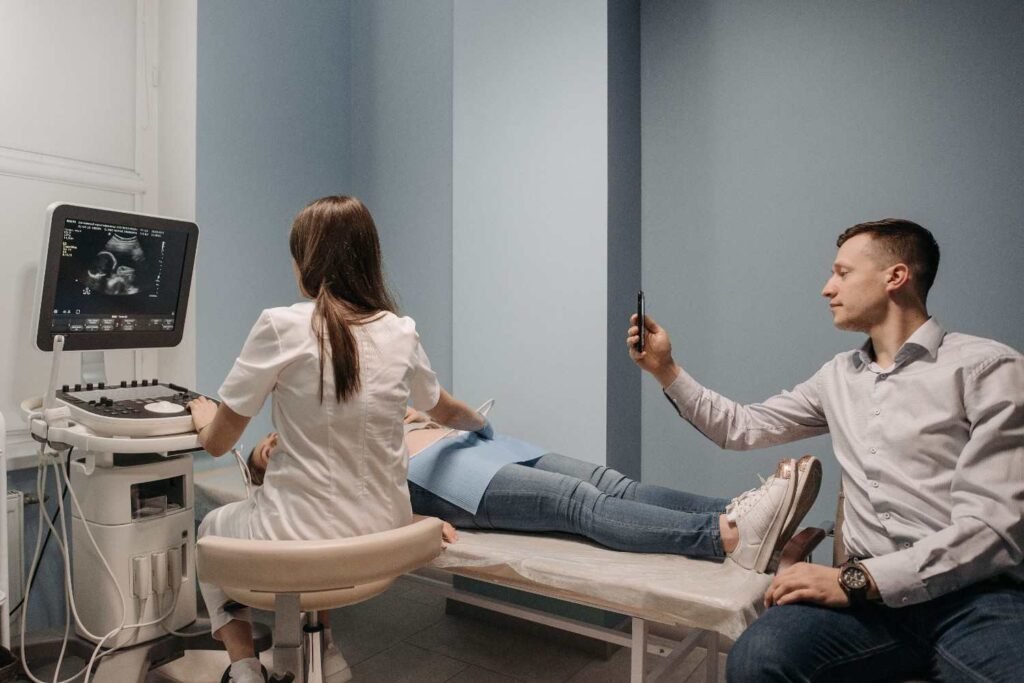
A pelvic ultrasound provides information about the uterus and ovaries. It can help identify findings such as ovarian cysts, fibroids, and certain structural changes that may influence fertility.
In some cases, a transvaginal ultrasound may be recommended for a closer view of the reproductive organs. Your doctor will explain the procedure and why it may be useful before proceeding.
At a Fertility Clinic in Gurugram, ultrasound findings may also help guide further investigations or monitor follicle development during a treatment cycle.
Ovulation Assessment
Ovulation is the release of an egg from the ovary. If periods are irregular or there are concerns about ovulation, your doctor may recommend additional assessment.
This may include menstrual cycle tracking, a progesterone blood test, or ultrasound monitoring. The timing of these tests matters because hormone levels change throughout the menstrual cycle.
Identifying ovulation patterns can help your doctor understand whether irregular cycles may be affecting your chances of conception.
Tests to Check the Fallopian Tubes and Uterus
The fallopian tubes need to be open for natural conception to occur. If your medical history suggests a possible blockage or another structural concern, a hysterosalpingography (HSG) may be recommended.
HSG is an imaging procedure that uses contrast material and X-rays to examine the uterine cavity and check whether the fallopian tubes are open.
Other investigations may be considered if the ultrasound or medical history suggests a problem inside the uterus. These procedures are not required for everyone and are chosen according to clinical findings.
Semen Analysis for the Male Partner
Fertility evaluation should consider both partners. A semen analysis is a common first-line test for the male partner. It assesses sperm concentration, movement, and shape.
If the results are abnormal, the doctor may recommend repeat testing or further assessment. Additional hormone tests or other investigations may be appropriate in selected cases.
A Fertility Clinic in Gurugram can help couples understand why assessing both partners is important before deciding on the most suitable treatment approach.
https://share.google/VgvmyhqPNDtvrdR3l
Are All Fertility Tests Necessary?
No. Every couple has different needs, so a complete list of fertility tests is not required for everyone. Some investigations are recommended only when symptoms, medical history, or initial results indicate a reason to perform them.
Dr. Smita Vats can review the available information and explain which tests may be useful for your situation. This individualised approach helps avoid unnecessary investigations and supports informed decisions about further care.
When Should You Consider a Fertility Consultation?
Consider seeking medical advice if pregnancy has not occurred after 12 months of regular, unprotected intercourse when the female partner is under 35, or after six months at age 35 or older. If you are over 40, or have irregular periods, known reproductive conditions, or other fertility concerns, seek advice earlier.
A consultation at a Fertility Clinic in Gurugram can help clarify when testing is appropriate and whether further specialist care is needed.
Conclusion
The first fertility consultation is an opportunity to understand your reproductive health and discuss your options. Hormone tests, pelvic ultrasound, ovulation assessment, tubal evaluation, and semen analysis may be recommended depending on your circumstances.
Dr. Smita Vats encourages a personalised approach to fertility evaluation, helping couples understand the purpose of each investigation before moving forward. With the right guidance, you can take informed steps towards planning your pregnancy.
Frequently Asked Questions
Do I need to complete fertility tests before my first appointment?
Not necessarily. Bring any previous medical reports or test results you have. Your doctor can review them and recommend additional investigations if needed.
Should both partners attend a fertility consultation?
If possible, yes. Evaluating both partners can help identify potential contributing factors and guide the next steps more effectively.
Are fertility tests painful?
Most blood tests and semen analysis are straightforward. Some procedures, such as HSG, may cause temporary discomfort. Your doctor can explain what to expect and how to prepare.
How long does a fertility evaluation take?
The duration varies. Some tests can be completed quickly, while others depend on the menstrual cycle or require further investigation. Your doctor will guide you on the appropriate timing.
For expert and compassionate pregnancy care, visit https://drsmitavatsgynae.com/ and consult a trusted Gynaecologist in Sector 82, Gurugram.