
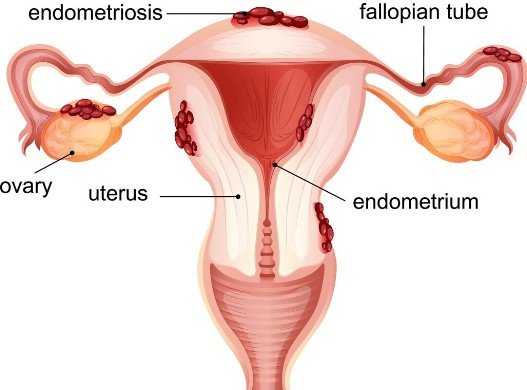
Severe period pain is often dismissed as a normal part of menstruation. However, when cramps become intense, interfere with daily activities, or continue despite pain relief, they may point to an underlying condition. One possible cause is endometriosis, a condition in which tissue similar to the uterine lining grows outside the uterus.
For fast information, direct chat with us on WhatsApp
If painful periods are affecting your routine, knowing when to seek medical advice is important. Treatment for Endometriosis in Sector 85 Gurugram can help women understand their symptoms and explore suitable treatment options with a qualified gynaecologist.
What Is Endometriosis?
Endometriosis occurs when tissue similar to the lining of the uterus develops outside the uterus. It may affect areas such as the ovaries, fallopian tubes, and pelvic tissues.
This tissue responds to hormonal changes during the menstrual cycle. It can swell and bleed, potentially causing inflammation, irritation, and pain in the surrounding tissues.
According to Dr. Smita Vats, symptoms can vary significantly from one woman to another. Some women may have considerable pain, while others may experience mild symptoms or no obvious symptoms at all.
Can Severe Period Pain Indicate Endometriosis?
Yes, severe menstrual pain can be one of the symptoms associated with endometriosis. However, painful periods do not automatically mean that a woman has endometriosis.
Typical menstrual cramps may cause discomfort for a short period and often improve with simple measures. Endometriosis-related pain can be more persistent or severe and may gradually interfere with everyday life.
Signs that deserve medical attention include:
- Very painful periods that make normal activities difficult
- Pelvic pain before, during, or after menstruation
- Pain during or after sexual intercourse
- Pain while passing urine or having a bowel movement, particularly around periods
- Heavy or irregular menstrual bleeding
- Persistent pelvic discomfort
- Difficulty becoming pregnant
Experiencing one or more of these symptoms does not confirm endometriosis. A gynaecological evaluation is needed to understand the underlying cause.
Why Does Endometriosis Cause Pain?
The exact cause of endometriosis is not completely understood. The abnormal tissue can trigger inflammation and irritation in the pelvis. Over time, some women may develop scar tissue or adhesions, which can contribute to ongoing discomfort.
The severity of pain also does not always match the extent of endometriosis. A woman with relatively limited disease may experience significant pain, while another woman with more extensive endometriosis may have fewer symptoms.
This is why discussing symptoms carefully with a gynaecologist is important.
How Is Endometriosis Diagnosed?
A doctor usually begins by discussing your menstrual history, pain pattern, and other symptoms. A pelvic examination may also be recommended depending on the symptoms.
Imaging tests, such as an ultrasound, may help identify certain changes associated with endometriosis, including ovarian endometriomas. In some situations, additional evaluation may be required.
As Dr. Smita Vats explains, diagnosis should be based on the individual’s symptoms and clinical assessment rather than period pain alone.
Treatment Options for Endometriosis
Treatment depends on factors such as symptoms, age, reproductive plans, and the severity or location of the condition.
Medicines
Pain-relieving medicines may help manage discomfort. Hormonal treatment can also be considered in appropriate cases to control menstrual cycles and reduce endometriosis-related symptoms.
Surgical Treatment
When symptoms are severe, persistent, or do not respond adequately to medical treatment, surgery may be considered. Minimally invasive procedures such as laparoscopy can be used in selected cases to assess and treat endometriosis.
The appropriate approach should always be decided after an individual medical evaluation.
When Should You See a Gynaecologist?
You should consider seeing a gynaecologist if period pain regularly prevents you from working, studying, exercising, sleeping, or carrying out routine activities.
It is also worth seeking medical advice if pain is becoming progressively worse, pain occurs outside your periods, or you have symptoms related to bowel movements, urination, sexual intercourse, or fertility.
Early evaluation can help identify the possible cause of pelvic pain and prevent you from having to simply tolerate symptoms every month.
For women looking for Treatment for Endometriosis in Sector 85 Gurugram, Dr. Smita Vats can assess symptoms and help determine an appropriate management approach based on individual needs.
Managing Endometriosis Beyond Pain Relief
Endometriosis management is not always limited to controlling menstrual cramps. Depending on the individual, treatment may also focus on improving quality of life, protecting fertility goals, and managing recurring pelvic symptoms.
Keeping a record of your menstrual cycle and symptoms can be useful during a consultation. Note when the pain begins, how long it lasts, how severe it feels, and whether it affects bowel movements, urination, sleep, or daily activities.
Dr. Smita Vats recommends discussing persistent or unusually severe period pain rather than assuming that it is simply a normal part of menstruation.
Conclusion
Severe period pain should not always be ignored. While menstrual cramps are common, intense or recurring pain that disrupts everyday life can sometimes be linked to endometriosis or another gynaecological condition.
Recognising the warning signs and getting an appropriate evaluation can help you understand what is causing your symptoms. If you are considering Treatment for Endometriosis in Sector 85 Gurugram, consulting Dr. Smita Vats can be an important step toward finding a suitable treatment and symptom-management plan.
For expert and compassionate pregnancy care, visit https://drsmitavatsgynae.com/ and consult a trusted Gynaecologist in Sector 82, Gurugram.