
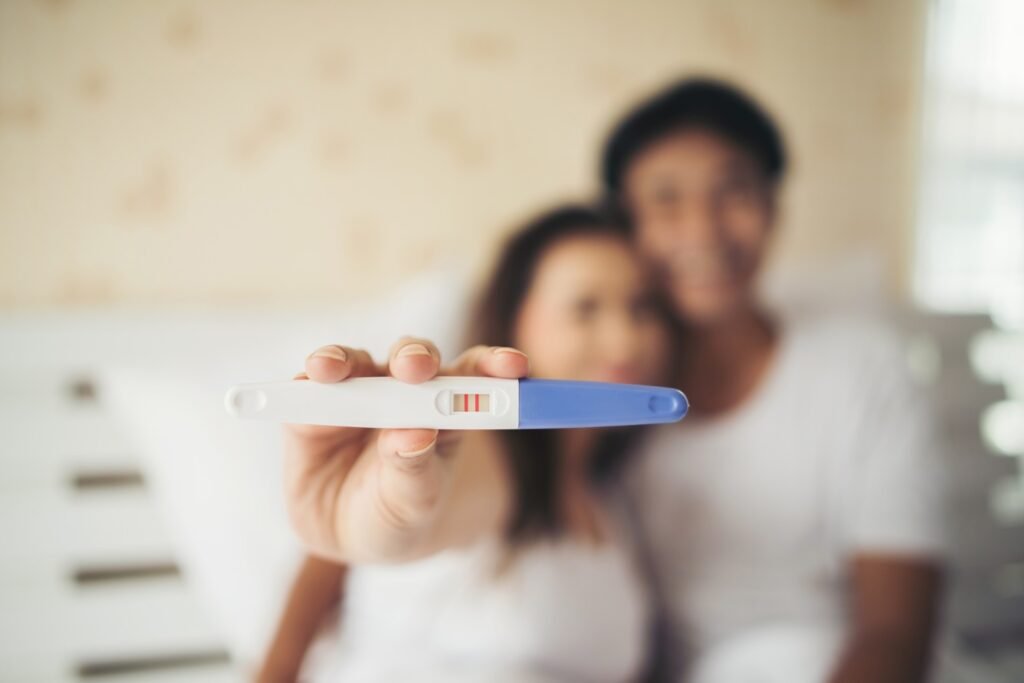
When pregnancy does not happen as expected, fertility testing can help identify factors that may be affecting conception. Testing is not always about finding a single problem. It gives the doctor a clearer picture of reproductive health and helps decide what treatment, if any, may be appropriate. A Fertility Treatment Clinic in Sector 84 Gurugram can recommend tests based on a couple’s medical history, age, duration of trying to conceive, and previous pregnancies or treatments.
For fast information, direct chat with us on WhatsApp
Fertility evaluation usually involves both partners. This is important because fertility concerns can affect women, men, or both. Dr. Smita Vats believes that a careful evaluation can help couples understand their options rather than starting treatment without knowing the possible contributing factors.
Why are fertility tests recommended?
Fertility tests help doctors assess ovulation, reproductive organs, sperm health, and other factors that may influence conception. The exact tests vary from person to person. Not every couple needs every available test.
During the initial consultation, Dr. Smita Vats may consider the couple’s medical and reproductive history before suggesting appropriate investigations. Menstrual patterns, previous pregnancies, miscarriages, surgeries, infections, medications, lifestyle factors, and the duration of trying to conceive can all help guide the evaluation.
Common fertility tests for women
Ovulation assessment
Regular ovulation is an important part of natural conception. A doctor may assess ovulation by discussing menstrual cycles and, when required, recommending blood tests or ultrasound monitoring.
A progesterone blood test may be used at an appropriate point in the menstrual cycle to help assess whether ovulation has occurred. The timing of testing matters, so it should be planned according to the individual’s cycle.
Pelvic ultrasound
A pelvic ultrasound can provide information about the uterus and ovaries. It may help doctors look for conditions such as ovarian cysts, fibroids, or other structural changes.
An ultrasound may also be used for antral follicle count, which assesses small follicles in the ovaries. This can contribute to an overall assessment of ovarian reserve, although it does not by itself predict whether pregnancy will occur.
Ovarian reserve testing
Ovarian reserve refers to the remaining egg supply. Depending on the situation, doctors may recommend blood tests such as anti-Müllerian hormone (AMH) along with ultrasound assessment.
These tests can provide useful information when planning fertility treatment. However, ovarian reserve is only one part of fertility. A test result should therefore be interpreted alongside age, menstrual history, ovarian function, and other findings.
Fallopian tube evaluation
Open and functioning fallopian tubes are important because they provide a pathway for the egg and sperm to meet. If there is a reason to suspect blocked tubes, a doctor may recommend a test such as hysterosalpingography (HSG).
HSG uses imaging to assess the uterine cavity and whether the fallopian tubes are open. Other methods may also be considered depending on the individual case.
Common fertility tests for men
Male fertility evaluation often begins with a semen analysis. It is one of the key investigations used to assess male reproductive health.
Semen analysis
A semen test examines characteristics such as sperm concentration, movement, and morphology. Results can vary, so an abnormal result does not automatically mean that natural conception or treatment is impossible.
If the initial result shows an abnormality, the doctor may recommend repeat testing or additional evaluation. Dr. Smita Vats can help couples understand why the test is being advised and how its results fit into the overall fertility assessment.
Additional male fertility evaluation
Further tests are not required for every man. Depending on the semen analysis and medical history, a doctor may consider hormonal testing or referral for specialist male fertility assessment.
Hormonal evaluation may be useful when there are concerns about sperm production, sexual function, or other signs suggesting a hormonal problem. Additional investigations are generally selected according to the findings rather than performed routinely for everyone.
Tests may be recommended for both partners
Some fertility evaluations may involve looking beyond the reproductive organs. Depending on the medical history, doctors may consider tests for conditions that can influence reproductive health.
For women, this may include selected thyroid or other hormone testing when symptoms or cycle irregularities suggest it may be useful. For men, hormonal assessment may be considered when indicated by symptoms or semen-test findings.
Genetic testing is also not routinely required for every couple. It may be considered in particular situations, such as certain reproductive histories or specific findings during evaluation. The decision should be individualized.
What happens after fertility testing?
Fertility testing is only the beginning of the evaluation. The doctor reviews the results together with the couple’s medical history and reproductive goals. Sometimes the findings are reassuring and no immediate treatment is necessary. In other cases, the results may suggest lifestyle changes, medication, timed conception, surgery, or assisted reproductive treatment.
At a Fertility Treatment Clinic in Sector 84 Gurugram, couples can discuss their results and understand why a particular treatment has been suggested. Dr. Smita Vats focuses on interpreting fertility investigations in the context of the individual rather than relying on a single test result.
It is also important not to compare fertility test results with those of friends or relatives. Reference ranges and clinical significance can vary, and a result that appears concerning online may not have the same meaning in a particular person.
When should couples consider a fertility evaluation?
The appropriate time to seek an evaluation depends on factors such as age, reproductive history, menstrual regularity, known medical conditions, and previous fertility concerns. Couples should not delay seeking medical advice when there is a known reason to suspect a fertility problem.
Dr. Smita Vats can assess the individual circumstances of both partners and determine which investigations may be useful before treatment begins.
Conclusion
Fertility testing provides valuable information about ovulation, ovarian reserve, the uterus and fallopian tubes, sperm health, and other reproductive factors. Women and men may need different tests, and not every investigation is necessary for every couple.
A Fertility Treatment Clinic in Sector 84 Gurugram can help couples understand which tests are appropriate for their situation and what the results may mean for treatment planning. With a structured evaluation and guidance from Dr. Smita Vats, couples can make informed decisions about their next steps toward building their family.
For expert and compassionate pregnancy care, visit https://drsmitavatsgynae.com/ and consult a trusted Gynaecologist in Sector 82, Gurugram.